
The Sundom brand offers two types of F-2 tread patterns, both designed as front-wheel steering treads for agricultural tractors. While they share the same basic function, there are noticeable differences in the number of tread ribs, compatible specifications, and performance characteristics.
F-2 (4 ribs) F-2 (3 ribs)
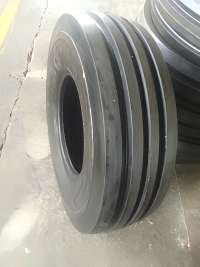
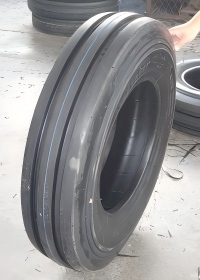
1. Pattern structure:
a.F-2 (3 ribs)
Three straight stripes, 3 longitudinal main groove patterns, the tread ribs are wider, and there are fewer pattern blocks.b. F-2 (4 ribs)
Four straight rib patterns, 4 parallel longitudinal ribs. The tread is divided more finely, and there are more anti-slip fine lines.
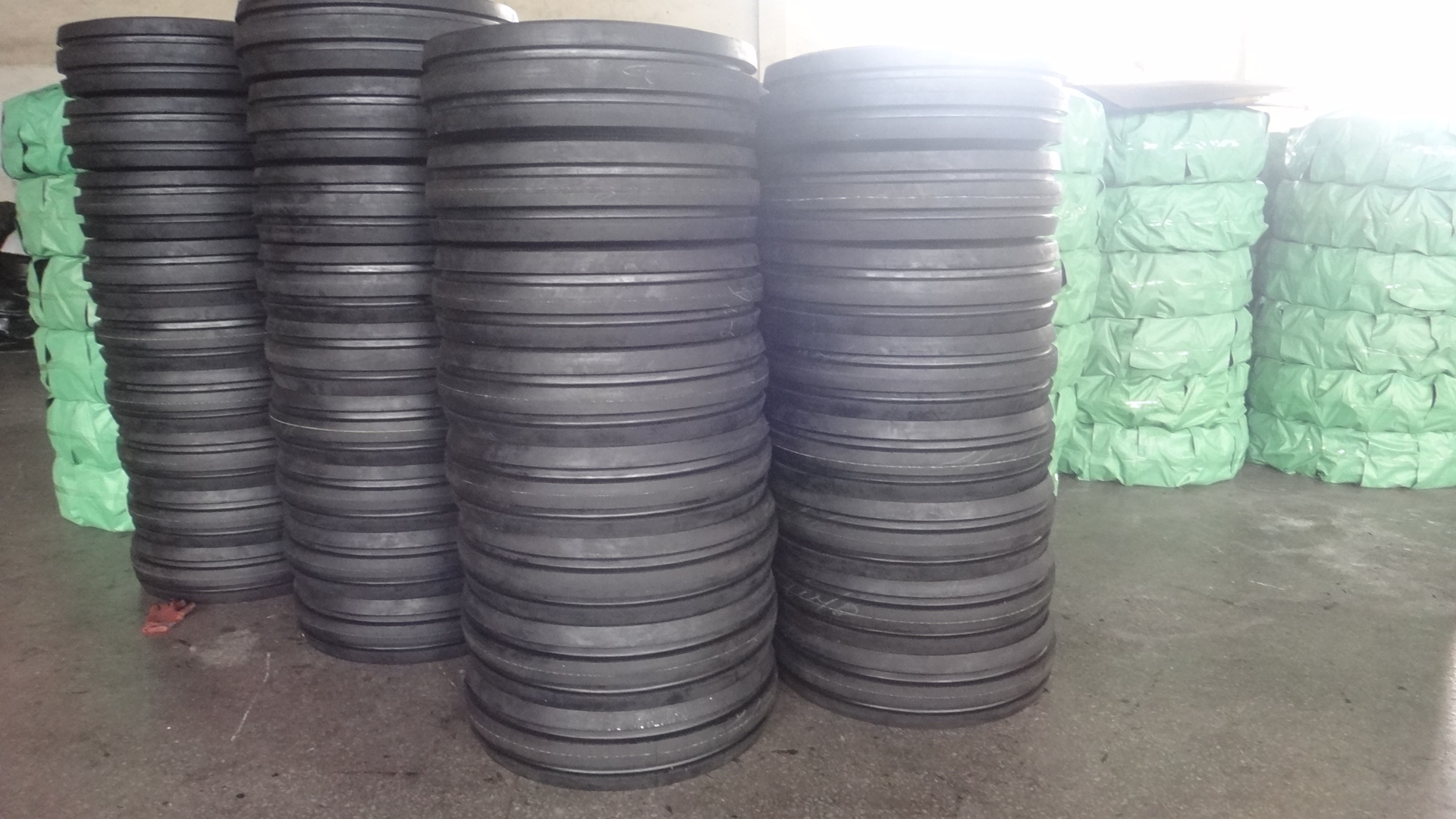
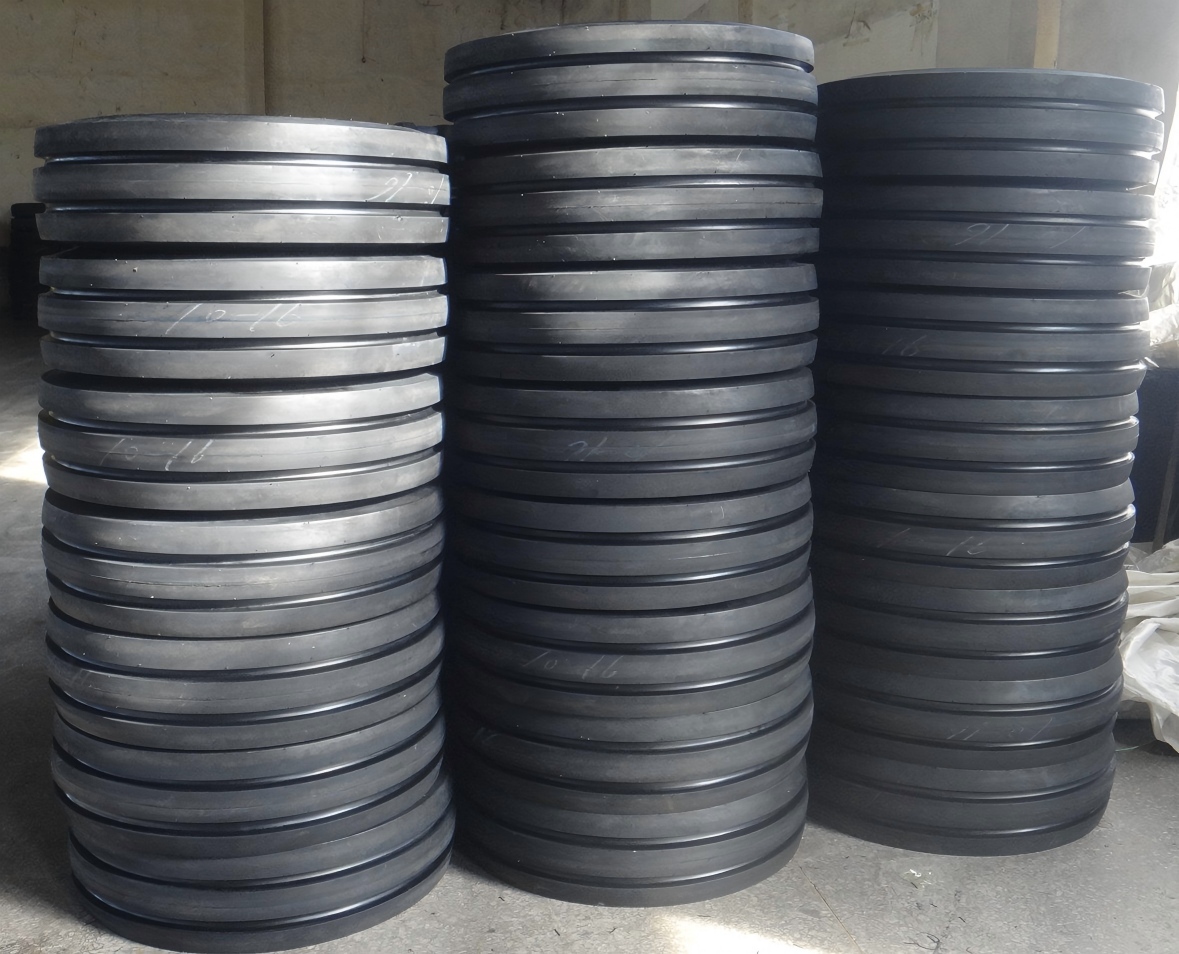
- F-2 (3 ribs): The contact area of the tread is larger, providing stronger wear resistance on highways, and the steering feels more gentle. It is suitable for long-distance transportation and on hard, dry land.
- F-2 (4 ribs): With an additional groove for drainage, it is less prone to skidding on slightly damp ground, providing better stability in straight-line driving, and allowing for more agile turning.
3. Compatibility Specifications and Load Capacity
a.F-2 (3 ribs)
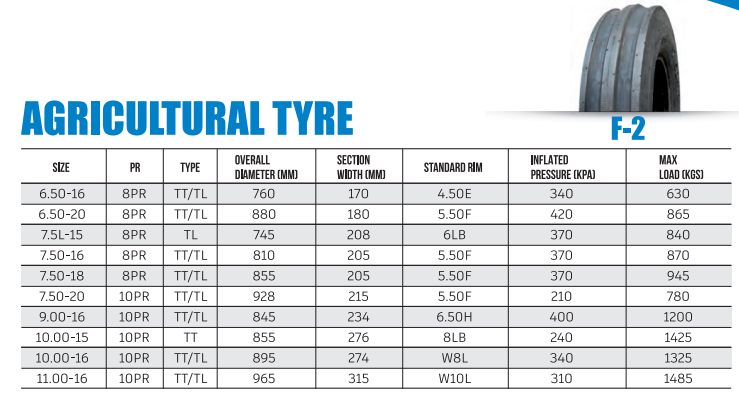
Suitable for small-sized front wheels (4.50E / 5.50F / 6LB / 6.50H small agricultural machinery front wheels). It is mainly used for small and medium-sized tractors, sprayers, and planters.
b. F-2 (4 ribs)
Designed to accommodate larger-sized agricultural machinery front wheels. suitable for medium and large-sized tractors' steering wheels.
4. Applicable Scenarios
F-2 (3 ribs)
The front wheels of small tractors, light agricultural equipment (sprayers, small trailers), frequent high-speed driving on dry farmlands and rural roads, aiming for wear resistance and low fuel consumption.
F-2 (4 ribs)
The front wheels of a medium-sized tractor are designed to handle both dry land and light wet soil conditions. They are suitable for frequent turns and short-distance operations in the field, and require good stability on straight lines and mild anti-slip properties.
5. Common Points
a. All are Tractor Front (tractor front-wheel) steering tires, and cannot be used for rear-wheel drive.
b. Purely longitudinal ribbing, without transverse traction patterns, not suitable for plowing in muddy fields;
c. It causes minimal damage to the farmland soil and does not involve deep excavation or heavy compaction of the fields.
d. The vehicle has low running noise, and its road durability is much better than that of the W/DW series with zigzag traction patterns.
Summary
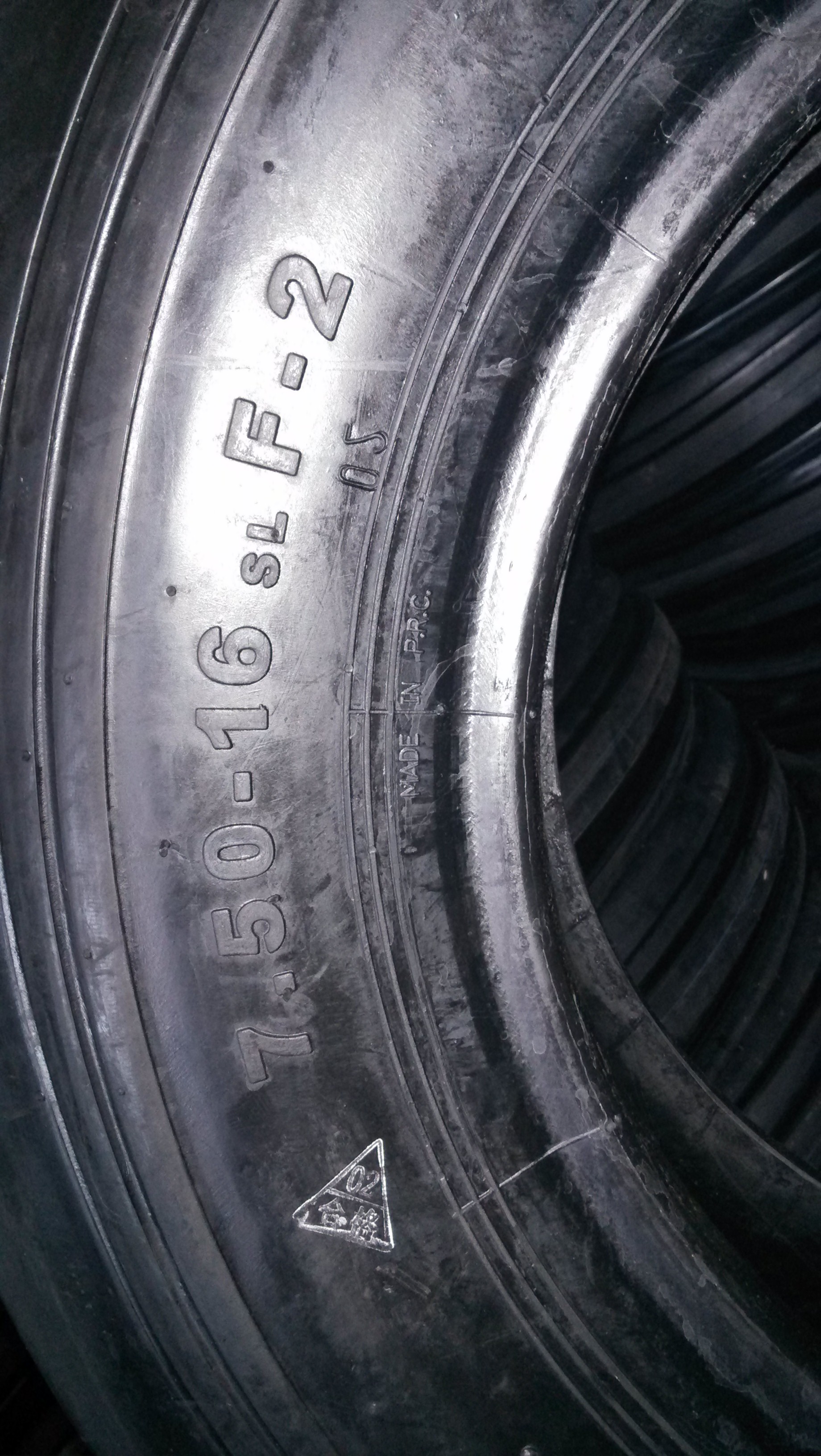
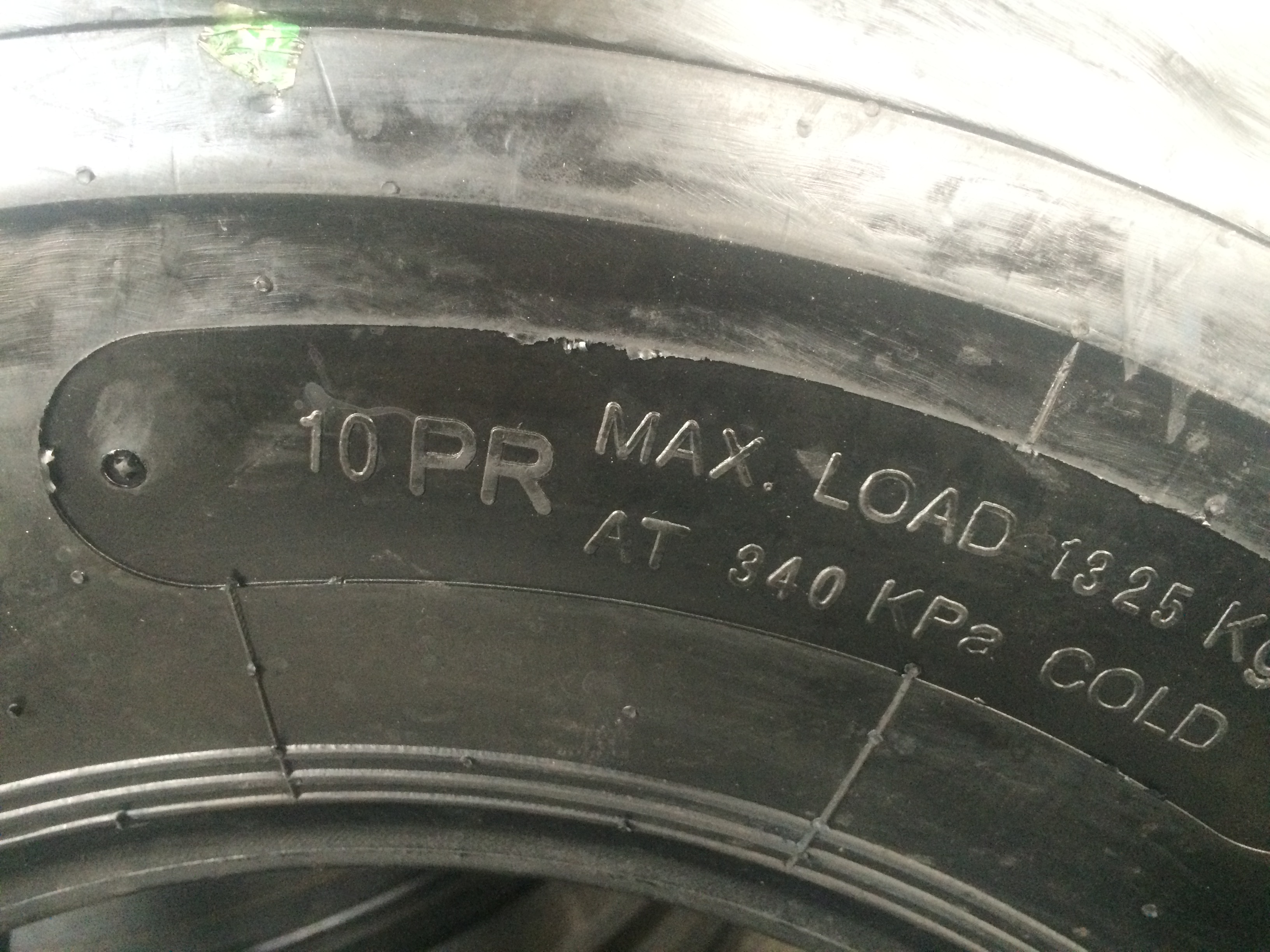
- F-2: 3-ply front tire, small size, high wear resistance, ideal for small agricultural machinery and dry road surfaces.
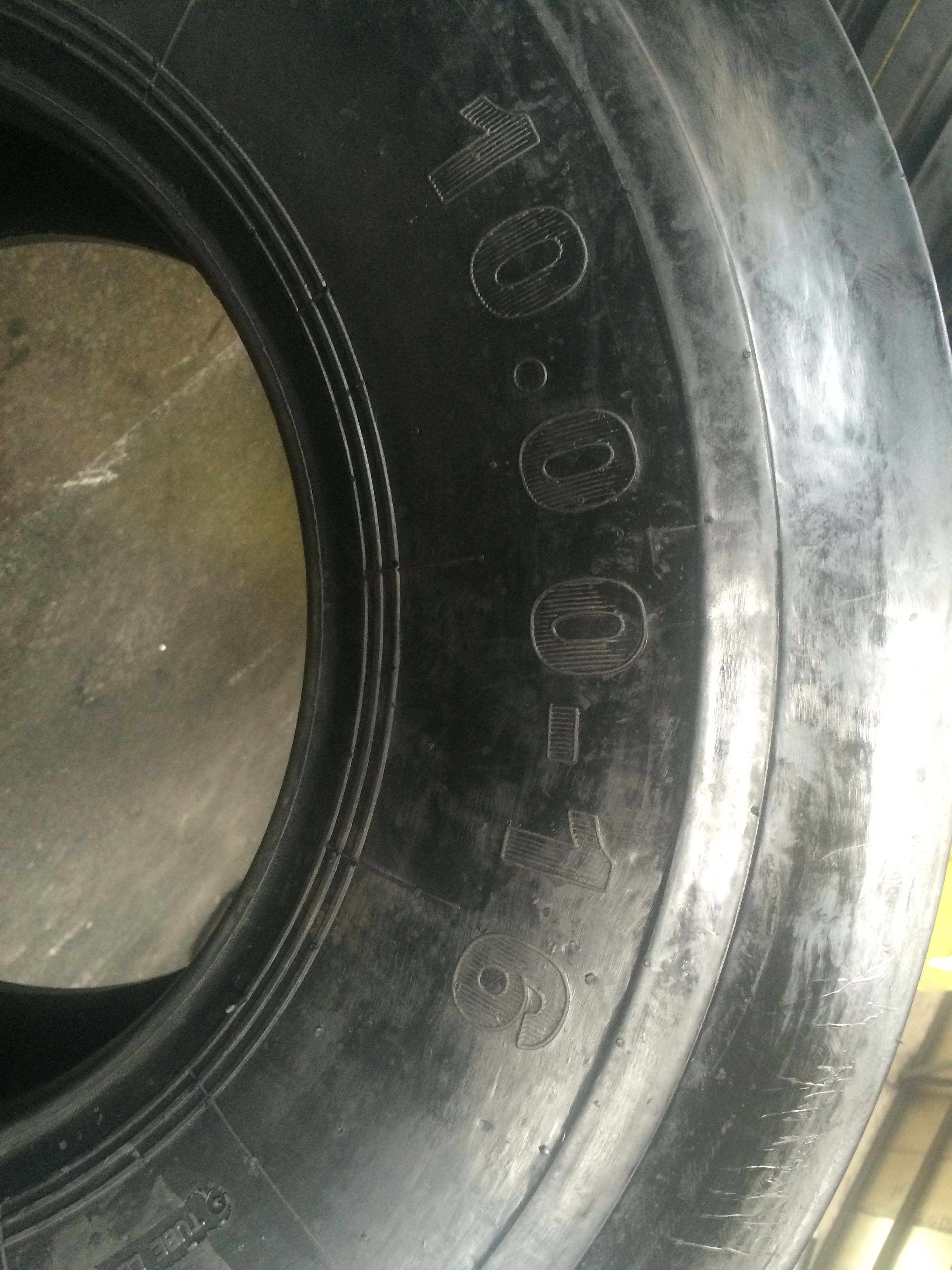
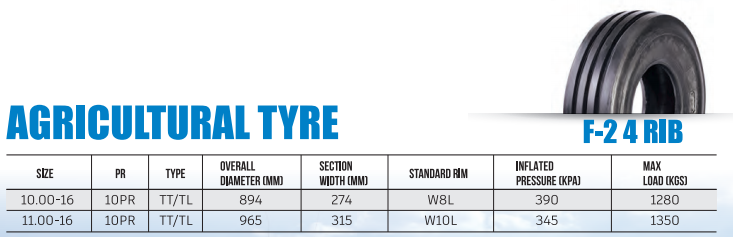
- F-2 4RIB: 4-rib front tires, with more stable guidance and mild wet-terrain anti-slip properties, suitable for medium to large-sized tractors.
Size
 Who is SUNDOM TYRE ?