
In the field of construction machinery, inner tubes may seem insignificant, but they are critical components that ensure the safe operation of equipment. Choosing the right inner tube not only extends tire life but also improves work efficiency and reduces operating costs. The following guide covers key aspects of selecting inner tubes for construction machinery tires.
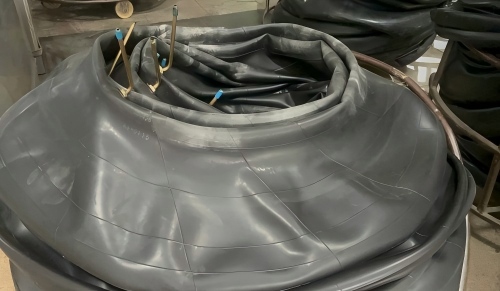
1. Determine Inner Tube Specifications and Dimensions
The first step is to ensure the inner tube specifications perfectly match the tire.
· Tire sidewall markings: Construction machinery tires typically have specification codes marked on the sidewall, such as 23.5-25, 17.5-25, or 20.5-25. This is the primary basis for selecting an inner tube.
· Inner tube to tire correspondence: Inner tube specifications must strictly correspond to the outer tire specifications and cannot be substituted arbitrarily. For example, a 23.5-25 tire must be matched with a 23.5-25 inner tube.
· Rim size: Confirm the rim diameter and width to ensure proper fit after installation.
Special note: Using an inner tube that is too small or too large will cause folding, excessive stretching, or localized pressure, leading to early blowouts.
2. Choose the Inner Tube Material
Construction machinery inner tubes are mainly available in the following materials:
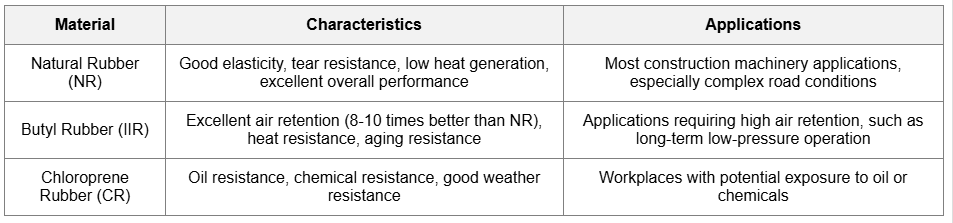
Recommendation: Natural rubber inner tubes are preferred for conventional conditions; butyl rubber inner tubes can be chosen when exceptional air retention is required.
3. Select the Inner Tube Type
Common types of construction machinery inner tubes and their applications:
· Standard natural rubber inner tube: Suitable for loaders, bulldozers, rollers, and other conventional construction machinery. Offers good value and balanced performance.
· Thickened inner tube: Choose this option for repeatedly repaired tires or harsh road conditions. Provides better puncture resistance and heat resistance.
· Extra-reinforced inner tube (LL grade): Suitable for giant construction machinery tires (e.g., 49-inch and larger mining truck tires). Features more plies and thicker rubber to withstand extreme loads.
· Jointless inner tube: Manufactured using integral molding technology with no weak joint points. Suitable for high-speed or heavy-load applications.
4. Select Based on Working Conditions
Construction machinery operates in complex environments. Consider the following actual working conditions:
· High-temperature environments (e.g., asphalt pavements, summer open-pit mines): Choose butyl rubber inner tubes or natural rubber tubes with heat-resistant formulations.
· Soft ground (e.g., mud, sand): Equipment often requires low-pressure operation. Choose inner tubes with good air retention to reduce refilling frequency.
· Rocky or debris-filled sites: Select thickened or puncture-resistant inner tubes. Consider using tire liner protectors if necessary.
· Long-term heavy load operations: Choose reinforced inner tubes with more plies for greater resistance to deformation.
5. Storage and Usage Precautions
· Store new inner tubes in a cool, dry place away from direct sunlight and heat sources.
· Before installation, check for damage or sticking. Apply a small amount of talcum powder to prevent adhesion.
· During installation, ensure the inner tube is not twisted or folded. Inflate to the recommended pressure (usually marked on the outer tire sidewall).
· For equipment parked long-term, it is advisable to slightly reduce pressure during storage.
Summary
When selecting inner tubes for construction machinery tires, focus on five core principles: matching specifications, appropriate materials, correct type, suitability for working conditions, and reliable quality. It is recommended to purchase well-known brand products through legitimate channels. While the initial investment may be slightly higher, it is a more economical choice in terms of safety and overall operating costs.
If you have special working conditions or questions about selection, consult tire manufacturers or technical professionals for more specific recommendations.
 Who is SUNDOM TYRE ?